What is incremental innovation? Definition, stakes and strategies

Incremental innovation is the gradual improvement of existing products, services or processes. Far from the spotlight of radical breakthroughs, it is the silent engine of industrial growth: it ensures day-to-day profitability and funds the future. Yet many leaders underestimate it, and neglecting to protect these improvements can expose your know-how to copying.
The 4 types of industrial innovation: a strategic guide for decision-makers
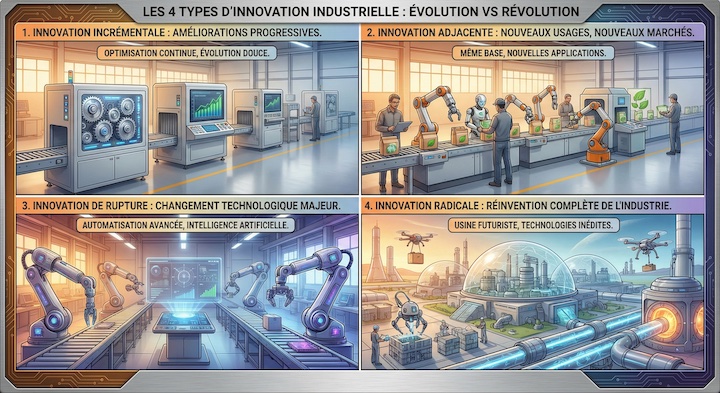
Innovation is not a single concept. Industrial innovation results from the combination of a technology and a market, and depending on whether each is new or existing, four main types emerge: incremental, adjacent, disruptive and radical. Each calls for its own R&D management and IP strategy.
The innovation memo: a practical tool for your IP strategy

The innovation memo, or invention disclosure, is a practical innovation management tool inspired by the structure of patents. It is a three-page structured form combining administrative and contractual data on inventors and applicants with technical data describing and claiming an invention, and a checklist of the right questions to formalize, develop and capitalize on ideas systematically.
Can you protect an idea or a concept?

The short answer is no. The strategic answer is yes, under certain conditions. Intellectual property law grants no exclusive right over pure ideas, which remain free for all to use. To protect a concept, you need to turn the abstract into something concrete.
How to protect an invention: choosing the right protection and IP strategy
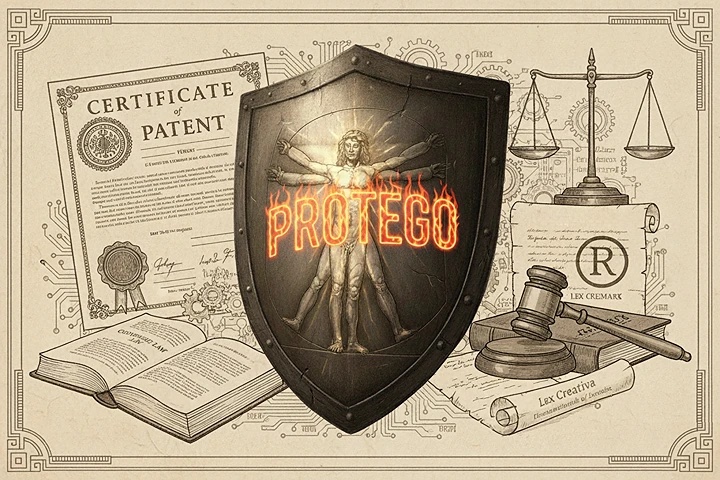
Innovation is a key driver of competitiveness and growth, but inventive effort is worth little without adequate protection. Poor protection can compromise the value and exploitation of your innovation. Intellectual property is the rulebook for innovators, and your IP strategy must be aligned with your organization’s development goals.
PCT patent application: how to extend your protection internationally

Protecting your innovations internationally is a major strategic issue. The Patent Cooperation Treaty (PCT) is the preferred route to request protection in many countries with a single application, and it offers time flexibility that is essential for sound decisions.
What is the difference between a patent and a trademark?

Patents and trademarks are two distinct industrial property rights that protect fundamentally different things: a patent protects a technical solution, a trademark protects a distinctive sign. They are not opposed but complementary, and understanding the difference helps you align the protection of your intangible assets with your business strategy.
Trademark search: a practical guide

A trademark is far more than a name or a logo: it is at the heart of your business strategy. Before choosing a name, you must make sure it is available, otherwise you risk infringing an existing trademark and wasting your marketing investment. Here are proven strategies and best practices to launch your brand on solid foundations.
How to protect an invention without a patent
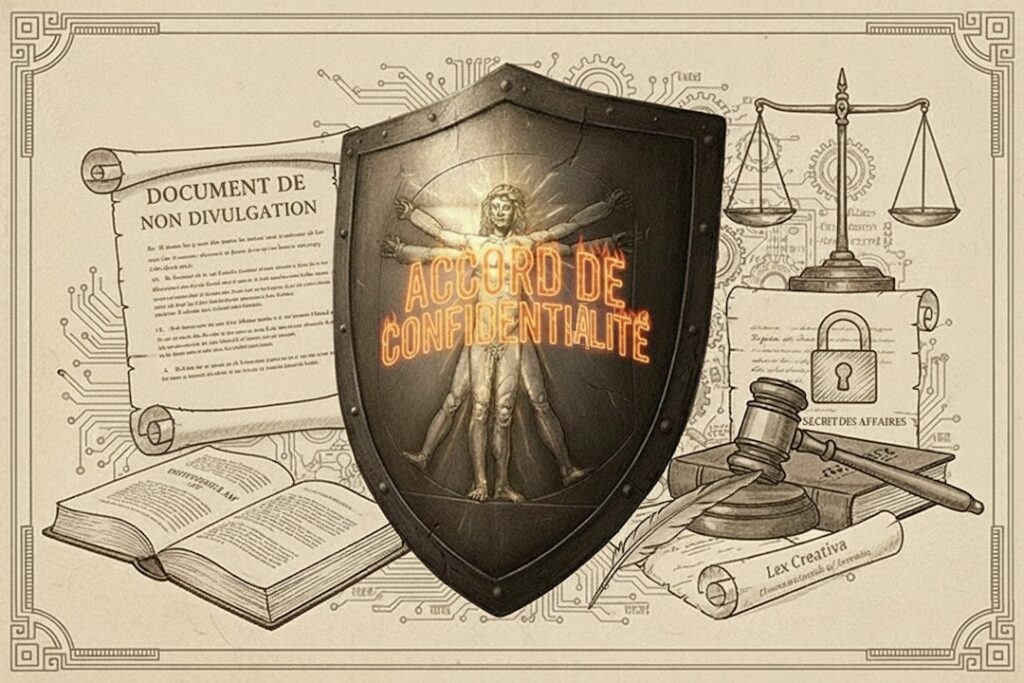
Filing a patent is undoubtedly the best way to protect an invention. In some cases, however, it is neither possible nor desirable, for patentability or strategic reasons. PI Motion reviews the alternatives available to you.
PI Motion Exhibiting at Rendez-vous Carnot 2024!

We are thrilled to announce that PI Motion SAS will be participating in Rendez-vous Carnot 2024 , an annual event that brings together top innovators, researchers, and technology-driven businesses. This year’s event…