How to value a patent: methods and financial stakes

Valuing a patent is a complex but essential exercise to turn a legal right into an economic lever. Whether you are negotiating a license, raising funds, selling an asset or recording its value on your balance sheet, you need to know what your patent is really worth.
Intellectual property of a website: securing your digital asset

Your website is often the main showcase of your business, sometimes the core of your business model. Yet its ownership is frequently overlooked. Assuming that paying a web agency’s invoice transfers the rights to you is a costly mistake that can leave you without control of your digital asset, or even infringing without knowing it.
What is know-how in intellectual property?

Your company’s know-how is an invaluable resource: the living core of your business and a key differentiator. In a knowledge economy where value creation depends on intangible assets, securing your secret knowledge is a strategic move, and neglecting it means risking a vital competitive advantage.
How to choose the right IP Management Software ?

How to choose the right IP software to manage your Intellectual Property (IP) rights? Discover PI Planner, the premier IP software from PI Motion.
What is adjacent innovation? Definition, examples and IP strategy

Adjacent innovation consists of applying proven inventions and technologies to new markets, or integrating new technologies to serve your existing customers. It is often the most profitable growth lever for an industrial company, but also the most legally risky if it is poorly managed.
How to optimize your IP budget for 2026

How to optimize your ip budget for 2026 : your guide to optimize your PI budget with PI Planner and PI Motion.
Patent search: a practical guide for your IP strategy

Innovation drives growth, but innovating is not enough: you also need to protect your ideas and understand your technical environment. Patent search, also called prior art search, is the first and often neglected step toward a robust intellectual property strategy.
What is radical innovation? Definition, stakes and strategies
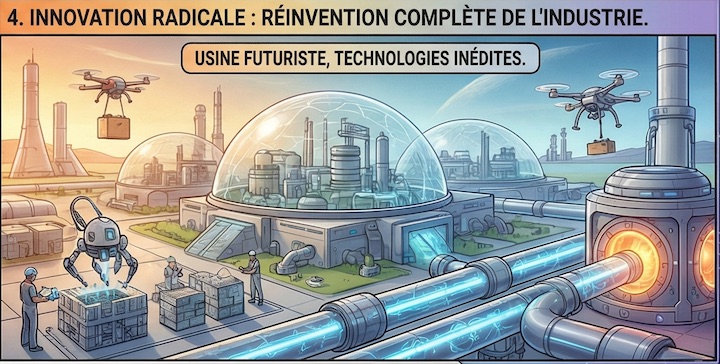
Radical innovation introduces a product, process or service that breaks completely with previous practices, combining a new technology with a new business model. For ambitious industrial companies, it is not just a strategic option but a question of long-term survival: it turns major technological uncertainty into a powerful economic position.
What is disruptive innovation? Definition, mechanisms and strategies
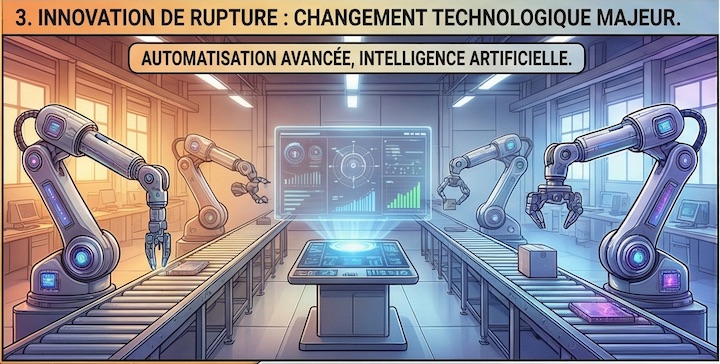
Disruptive innovation does not simply improve what exists: it reshuffles the deck. Theorized by Clayton Christensen, it describes how a product first takes hold in simple applications at the bottom of the market, then moves upmarket until it displaces established competitors. Understanding it lets you anticipate threats and seize major growth opportunities.
Budget forecasting and IP: a strategic challenge often overlooked

Budget forecasting and IP: a strategic challenge often overlooked PI Motion PI Planner